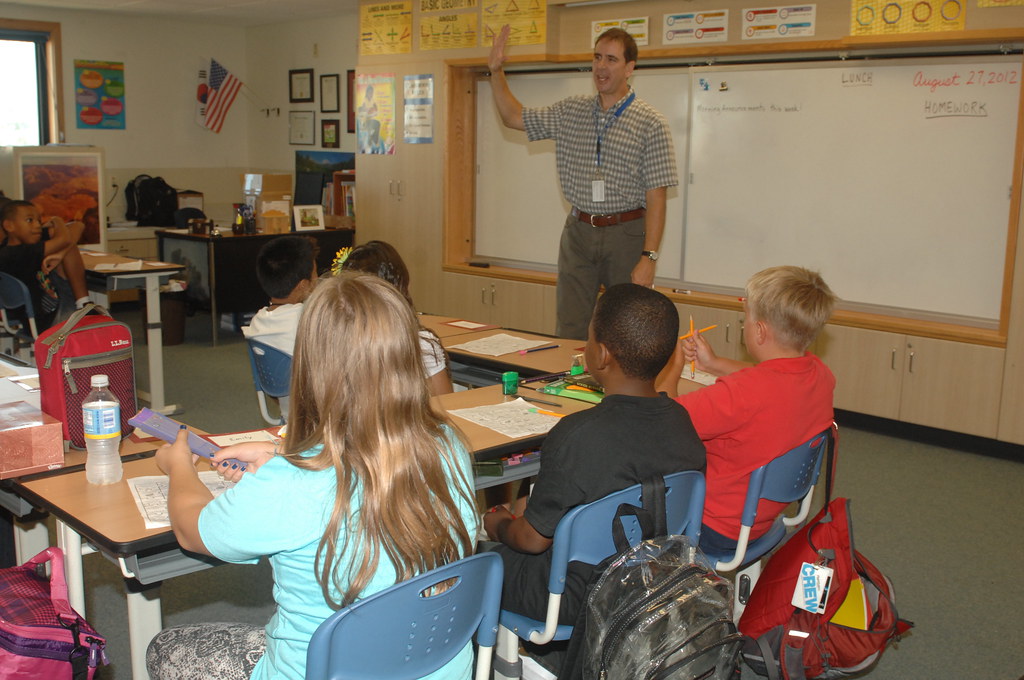
How much homework does South Korea have?

How much homework does South Korea have?

South Korean students spend an average of 2.9 hours per week on homework per subject, according to a 2014 study by the Organization for Economic Co-operation and Development (OECD). This amount is higher than the OECD average of 1.7 hours per week, making it one of the highest amounts of homework given worldwide. The reasons behind this include South Korea's emphasis on education, intense competition among students, and pressure from parents to excel academically. However, studies have shown that too much homework can negatively affect academic performance, mental health, and overall well-being. The South Korean government has recognized this issue and taken steps to reduce excessive homework, but changing cultural attitudes towards education will take time. It is essential to strike a balance between academics and overall well-being to ensure that students can succeed academically without sacrificing their mental health.

How much homework do Korean students get?

This article explores the Korean education system and the importance of homework in Korean culture. It provides information on how much homework Korean students receive, the potential negative effects of excessive homework, and strategies for coping with a heavy workload. The article also examines the impact of technology on homework in Korea and offers insights from educational experts on the strengths and weaknesses of the Korean homework system. Finally, it discusses what other countries can learn from Korea's approach to homework.
How many hours do English teachers in South Korea work?

How many hours do English teachers in South Korea work?

English teachers in South Korea are required to work a minimum of 22 hours per week, according to the Korean government. However, many private language schools require their teachers to work more than this. In addition to teaching hours, English teachers often have contractual obligations such as preparation time, office hours, and extracurricular activities. Overtime pay is available for any hours worked beyond the contracted amount, and most contracts include summer and winter vacation periods as well as sick days and public holidays.

How long is a day of school in South Korea?

School days in South Korea are among the longest in the world, with students typically spending more than eight hours a day at school. The country's intense focus on education has led to high levels of academic achievement but also raised concerns about the well-being of students and the need for more balanced approaches to education. Recent reforms have aimed to reduce the amount of time students spend in school, but some parents and educators fear this will harm their chances of success. South Korea's education system remains an important case study for educators and policymakers around the world.
Is there night school in Korea?

Is there night school in Korea?

Night schools are a popular alternative in Korea for those who cannot attend regular daytime classes due to work, family obligations or other reasons. These educational institutions offer classes in the evening or at night and follow the same curriculum as daytime classes, with students attending class in the evening or at night and earning the same degrees or certifications as daytime students. Anyone can attend night schools in Korea, regardless of age or background, and they offer a variety of classes and programs depending on the institution. Night schools tend to be more affordable than traditional daytime programs and can be found all over Korea. However, attending night school may have drawbacks such as lack of social interaction with daytime students and being more challenging for some students who are already tired from work.

How long are Korean school breaks?

This article explores the different types of school breaks in the Korean education system, including summer, winter, and spring breaks, as well as mid-term breaks and national holidays. It also discusses the benefits of these breaks for students' physical and mental well-being, as well as the challenges they can pose for parents. Additionally, the article mentions that many schools offer summer and winter camps that provide unique learning experiences for students.